Let’s get started with…
PODOLOGY CONSULTATION
Diagnosis and identification of the problem, full explanation of causes and effects, treatment prognosis, and presentation of therapy options along with cost estimation.
Time: 15 min | Price: €25
SPECIALIST PODOLOGY TREATMENT
Nail trimming and care, cleaning of nail folds, removal of calluses and hyperkeratosis (hard skin) on the soles and heels. Includes dressings and pressure relief, with optional treatment of thickened nails.
Time: 30–60 min | Price: €65–€90
HYPERKERATOSIS REMOVAL
Removal and treatment of pathological hard skin, including cracked heels and corns, with application of specialist pressure relief.
Time: 60 min | Price: €65–€80
CORN REMOVAL
Removal of one or multiple corns with therapeutic treatment and active dressings.
Single corn: 30 min | €50
Multiple corns: 30–45 min | €60–€75
HPV WART (VERRUCA) REMOVAL
Removal of lesions with treatment using natural, chemical, or electrocoagulation methods, followed by active dressings.
Single wart: 30 min | €45 + medication cost
Multiple warts: 30–45 min | €55–€65 + medication cost
HEALTHY NAIL CARE (TRIM & TREATMENT)
Proper trimming of healthy toenails (without pathological changes), cuticle care, and cleaning of nail folds.
Time: 30 min | Price: €55
TREATMENT OF 1–2 DISEASED NAILS
Cleaning and treatment of nails affected by conditions such as trauma, dystrophy, onycholysis, fungal infection, thickening, or age-related changes. One nail: 30 min | €60
Each additional nail: +€15
NAIL RECONSTRUCTION
Cleaning and reconstruction of a mechanically damaged but otherwise healthy nail.
Time: 30 min | Price: €55
Each additional nail: +€15
Ingrown Toenails
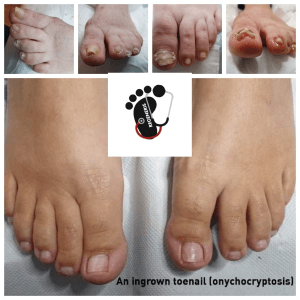
ORTHONYXIA CONSULTATION – Assessment of the ingrown nail condition, analysis of causes, selection of brace method, and development of a treatment plan.
Time: 15 min | Price: €25
INGROWN TOENAIL THERAPY (FIRST VISIT) – Treatment of nail pathology, removal of the irritating element, wound cleaning, tamponade, and application of an active dressing.
Time: 15–30 min | Price: €65 + medication cost
ORTHONYXIA BRACE APPLICATION (1 NAIL) – Application of a professional brace (e.g. Fraser UV, Unibrace, Titanium), including nail cleaning, dressing, and post-treatment protection.
Time: 30–45 min | Price: €75
ARKADA METHOD (BIG TOE) – An invasive correction method that restores the natural shape and growth direction of the nail in a single visit. Can accelerate treatment by up to 6 months.
Time: 60–120 min | Price: €95 + brace
ORTHONYXIA THERAPY CONTROL – BASIC – Monitoring the current condition, reapplication of active agents, cleaning, and dressing or tamponade change.
Time: 20–30 min | Price: €45
ORTHONYXIC THERAPY CONTROL – EXTENDED – Monitoring progress and reapplication of a new orthonyx brace if required (e.g. due to wear or therapy adjustment).
Time: 40–60 min | Price: €65
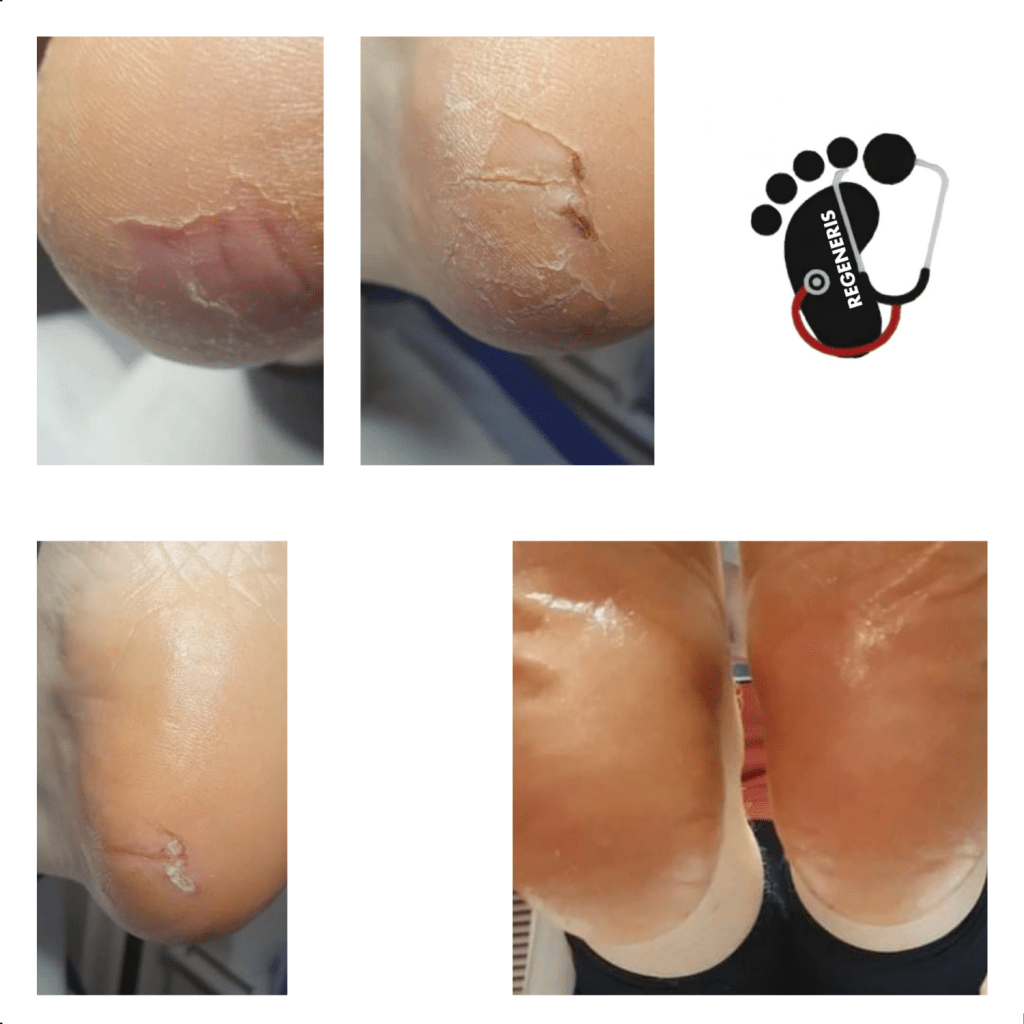
Cracked Heels
Cracked heels, also known as heel fissures, are a common condition where the skin on the heels becomes dry, thickened, and cracked, often causing pain and discomfort. The primary cause is dry skin, which can be exacerbated by factors like prolonged standing or walking barefoot.
Corn and plantar callus removal
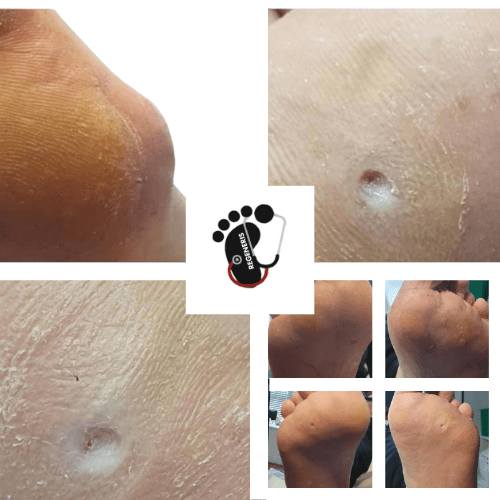
A foot corn is a small, thickened area of skin caused by repeated pressure or friction, usually from tight shoes. Corns are smaller and deeper than calluses and have a hard centre surrounded by swollen skin. They can be painful when pressed. Hard corns often form on the top of the toes or the outer edge of the small toe. Soft corns tend to form between the toes.
A plantar callus is a thickened, hardened area of skin that forms on the sole of the foot, usually under the heel or ball, due to repeated pressure or friction. Calluses are rarely painful and tend to develop on
pressure spots, such as the heels, the balls of the feet, the palms and the knees. They may vary in size and shape and are often larger than corns.
Verruca treatments
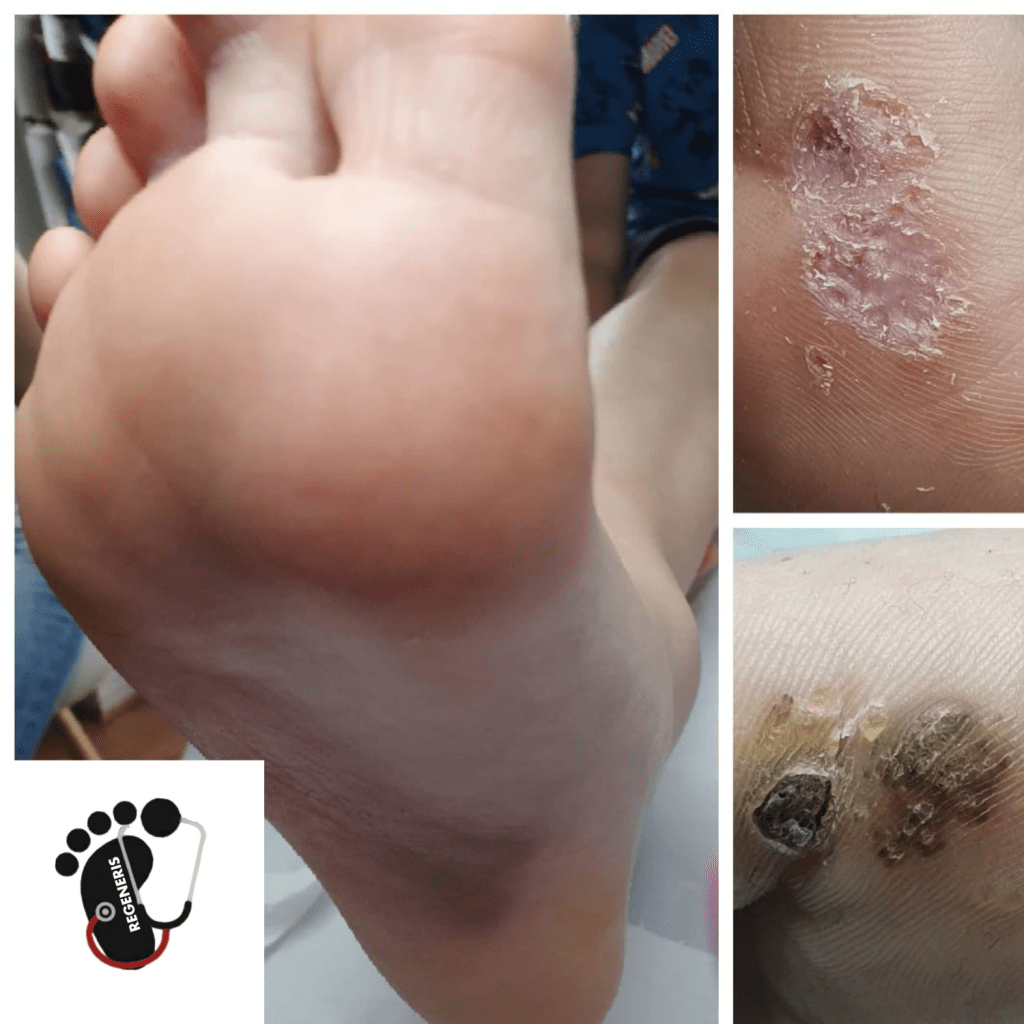
Verrucas are warts that usually develop on the soles of the feet.
They are very common and are caused by an infection with the human papillomavirus (HPV). They can look unsightly and are sometimes painful.
The virus causes an excessive amount of keratin, a hard protein, to develop, which produces a rough, hard texture.
Mycosis of the skin treatment
Mycosis is a common infection caused by microorganisms, which develop when they find the right conditions, such as heat and humidity. On our skin, there is always a certain amount of fungus. Normally, the skin forms a natural barrier against these fungi, but under certain conditions, it can penetrate and cause infection. Excessive growth of fungi on the epidermis, scalp and nails causes infections, fungal infections,
Laser therapy Ng-YAD, which is considered the ideal method of treating nails, is now available!
Atopic dermatitis (AD)
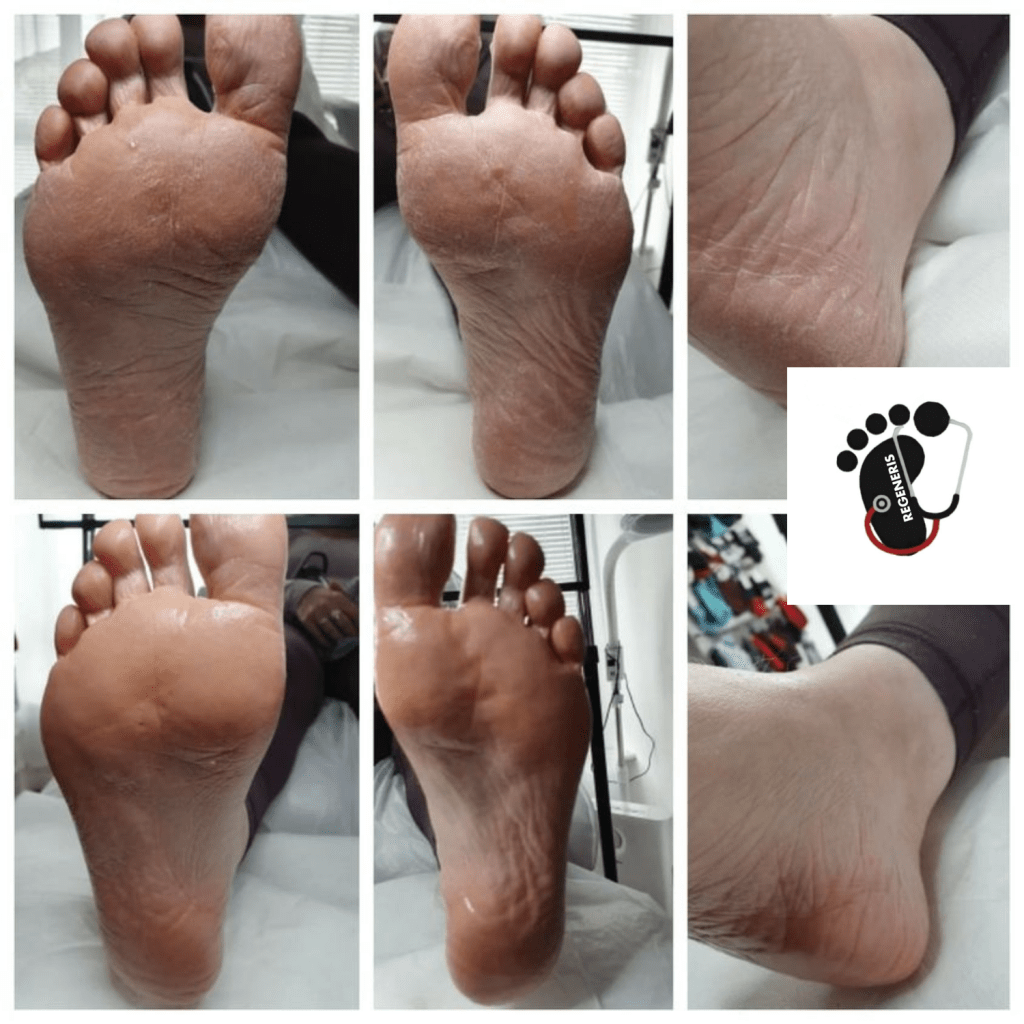
Atopic dermatitis (AD) and psoriasis are chronic inflammatory skin diseases.
Associated with a significant cutaneous and systemic burden of disease, and often as well as a poor health-related quality of life
Symptoms of psoriasis on the feet include red, dry patches of skin known as plaques. These plaques are usually covered in silvery scales and can be itchy and sore.
Fungal infection laser treatment
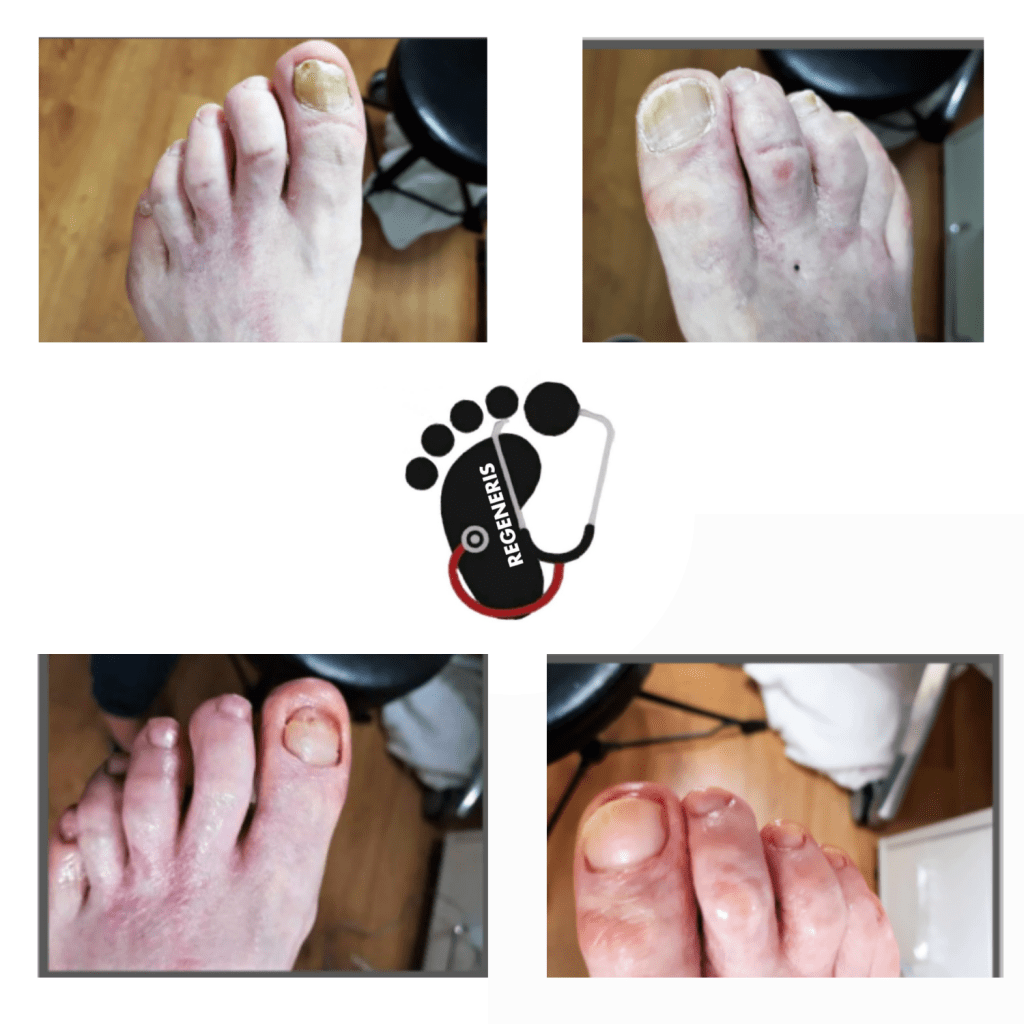
Fungal toenail, known as onychomycosis, is a common fungal infection of the toenails. It causes the nail to become thickened, discoloured (yellow, brown, or white), brittle, and sometimes misshapen. The infection often starts at the edge of the nail and spreads inward. It can result from exposure to fungi in warm, moist environments like locker rooms or from
wearing tight shoes.
Hyperkeratosis
Hyperkeratosis is an abnormal thickening of the outer skin layer. This condition, along with cracked heels, is associated with dry skin in that area. The most common causes of dryness are disorders of the arterial and venous systems, which often lead to impairment of the nerve endings as well as sweat and sebaceous glands. This causes a disturbance in the physiology of the different layers of the skin, which are not receiving enough lipids and fluids. The dryness might affect the whole foot or be more localised. The dry skin might give a yellow or grey appearance, and the texture might be consistent in hyperkeratosis or brittle and flaky in the case of cracked heels.
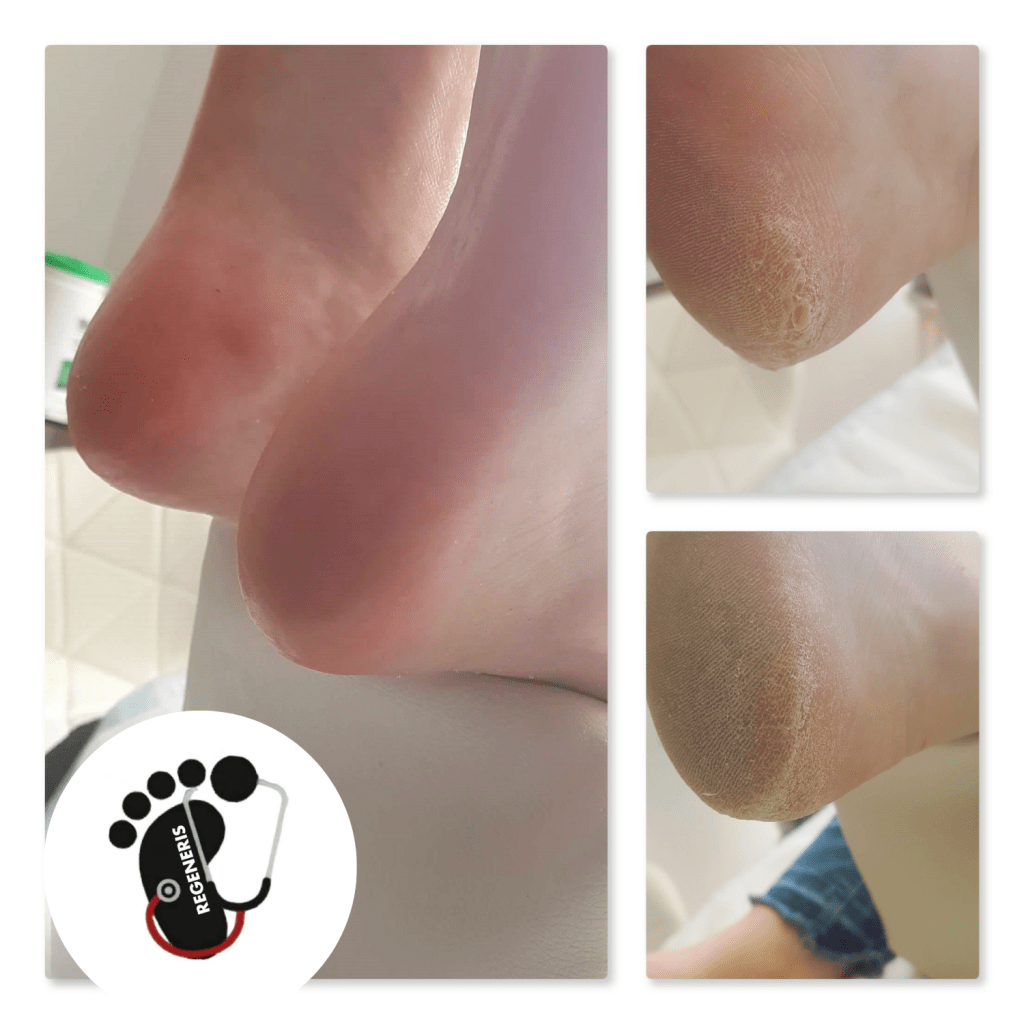
Diabetic foot treatment
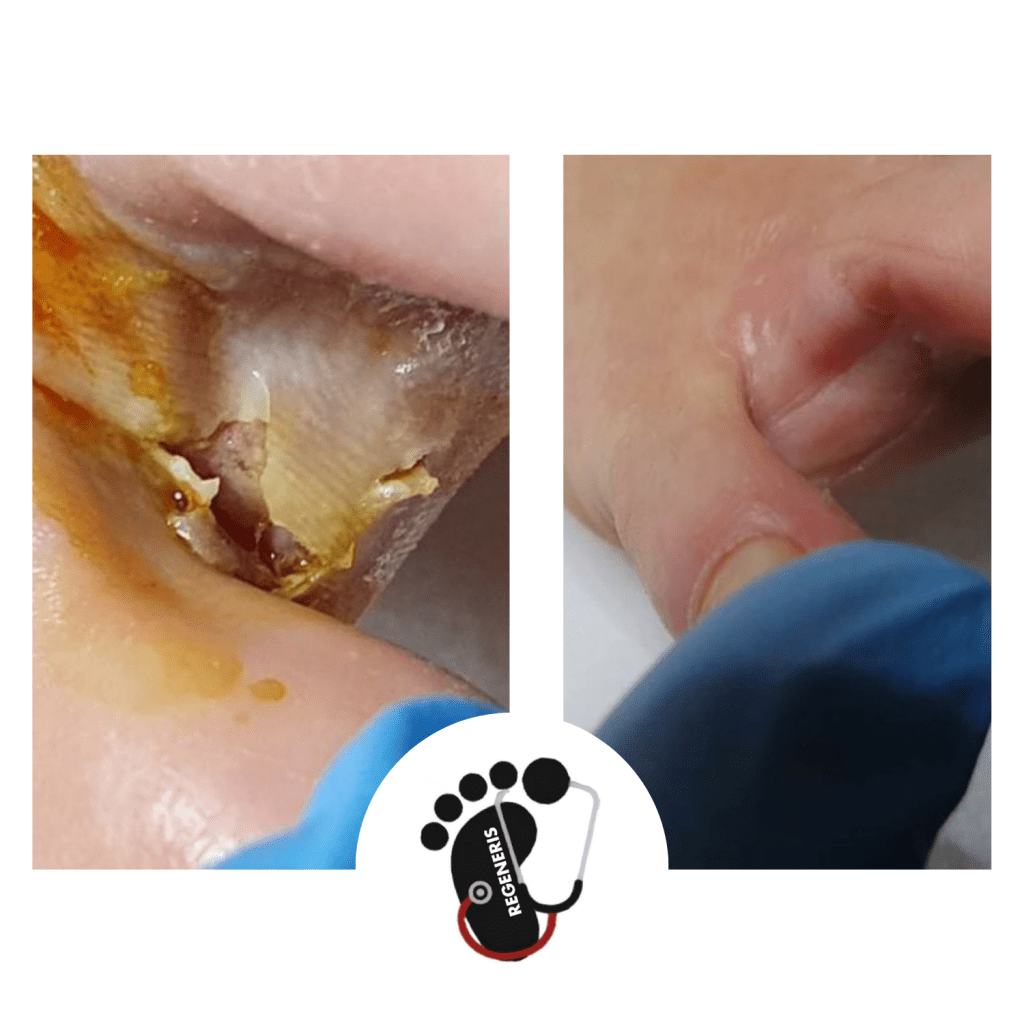
A diabetic foot disease is any condition that results directly from the peripheral artery disease or sensory neuropathy affecting the feet of people living with diabetes. Diabetic foot conditions can be acute or
chronic complications of diabetes.
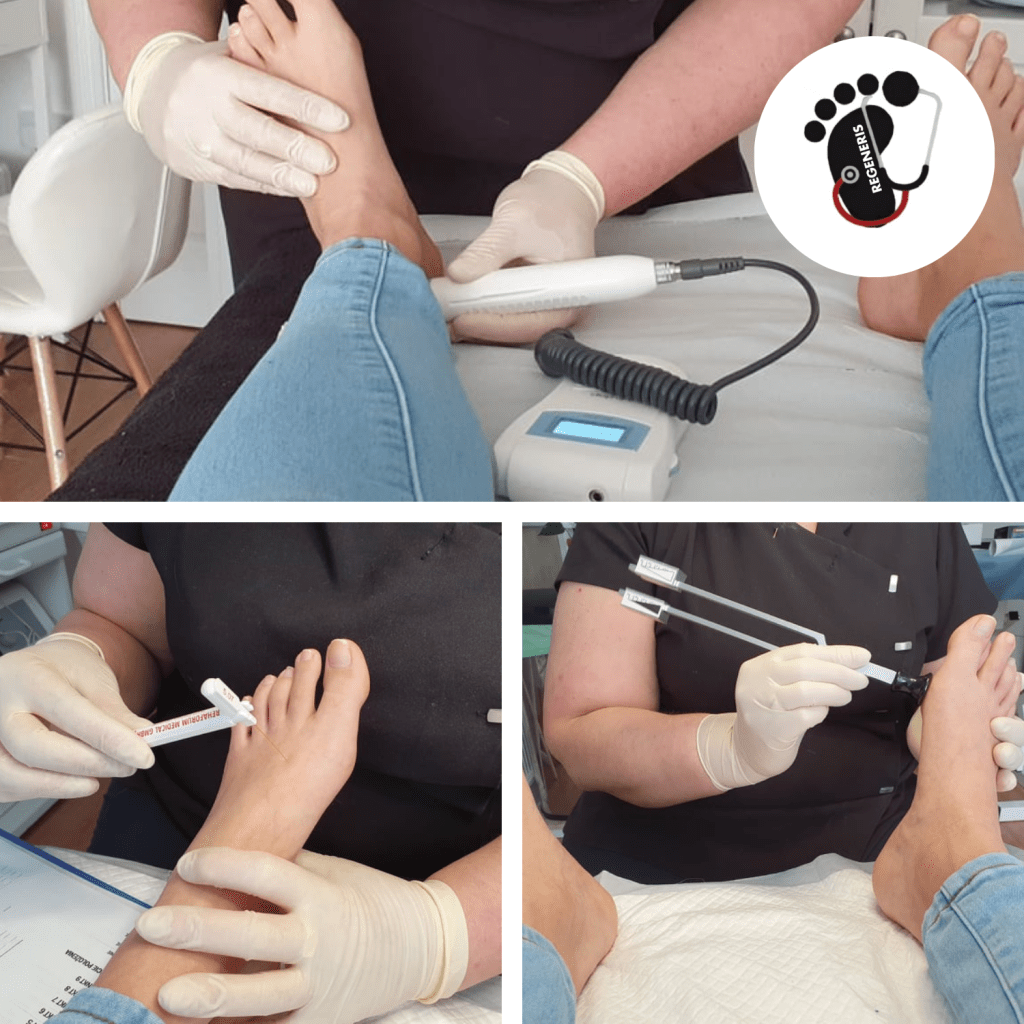
Ankle brachial pressure index/ABPI/ + Neurology pad + Mini doppler
examination
The ankle-brachial index (ABI) is a noninvasive test for peripheral artery disease (PAD). It can be used to find out if you have PAD and to monitor you if you have PAD. What is peripheral artery disease (PAD)? Peripheral artery disease causes poor blood flow to the legs and other parts of the body. This happens when the blood vessels are blocked or narrowed (arteriosclerosis). Peripheral artery disease increases your risk of having a stroke, transient ischemic attack (TIA/mini-stroke), heart attack and other cardiovascular problems.
Lymphatic drainage massage
In REGENERIS Clinic the first 30 minutes of lymphatic drainage is made by hand. After hand lymphatic drainage, the patient dresses specialistic lymphatic drainage slimming suit, and we continue treatment with an infrared pressure body care slimming machine
- Promote Blood circulation
- Body shaping
- Cellulite and fat Reduction
- Deposits and Fluid Retention
- Lymph De-toxin
- Improve Lymphatic Drainage
- Lymph massaging drainage
- Fat dissolution
- Physical therapy to care muscle and nerve diease
- Reduce Pressure
- Relax Body and Mind
- Reduce Edema or Sweling
One part of the body €60
(30 minutes manual massage + 30 minutes pressotherapy drainage)
Three parts of the body /arms, belly, and legs/ € 75
(1,5 hours massage)
Athlete’s foot
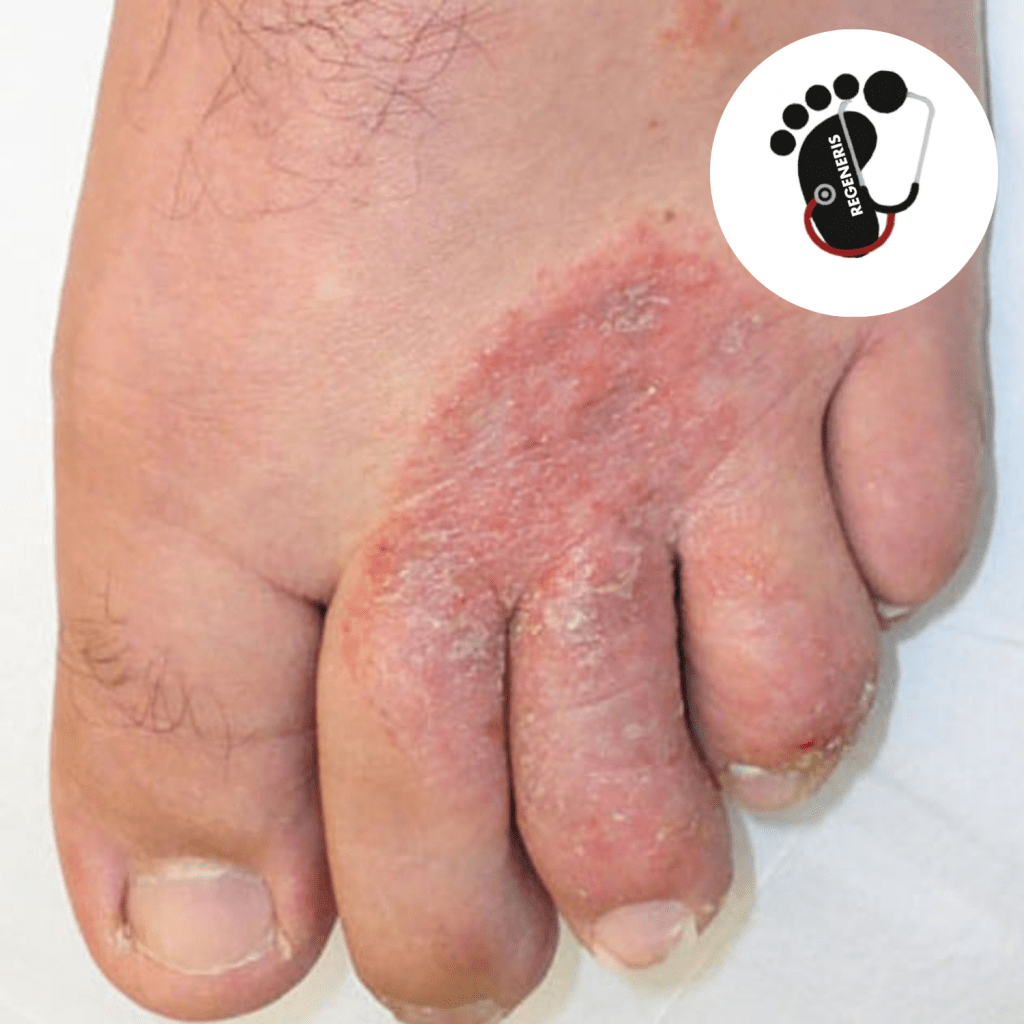
Athlete’s foot, known medically as tinea pedis, is a common skin infection of the feet caused by a fungus. Signs and symptoms often include itching, scaling, cracking and redness. In rare cases, the skin may blister. Athlete’s foot fungus may infect any part of the foot, but most often grows between the toes.
Other Treatments available in the Clinic:
- Toe relief – Individual toe relief €23, Gel toe relief from €6 to €17
- Closing the blood vessels (feet, ankle, leg and face) the price is individual, after consultation from €51
- Collection of material for laboratory tests (mycological, microbiological and genetic) from €30
- Body posture examination to make insoles €55
- Individual orthopaedic insoles from €190
- Insoles relieving skin lesions € 23
- Shoes ozone sterilization: 1 pair €6, 2 pair €10, 3 pair € 14
- Removal of skin changes from € 45

